Virtual Staging for Real Estate: Complete 2026 Guide


Virtual staging for real estate lets us turn empty or dated photos into warm, fully furnished rooms using only software and AI. Instead of hauling couches or paying for physical staging, we upload photos and receive listing-ready images that look professionally designed. In this guide, we walk through how this approach works, why it pays off, and how TeliportMe helps us go far beyond flat photos.
Most buyers now decide which homes to visit based on listing photos alone, so weak visuals hurt every other part of our marketing. In fact, according to the National Association of Realtors, 97 percent of all homebuyers use the internet during their home search, and listings with professional-quality photos receive 118 percent more online views than those without. Empty rooms, poor lighting, or cluttered spaces make it hard for anyone to picture life in that home or understand the layout.
With AI-powered virtual staging for real estate, we can style any property at low cost, move fast, and pair those images with immersive 360 tours. In the next sections, we explore the data, compare AI and traditional options, show how TeliportMe fits in, and cover simple rules so we stay honest and compliant.
"Buyers can't buy what they can't see," as many experienced agents like to say when explaining why listing photos matter so much.
Key Takeaways
Before we go deeper, we can look at the big ideas this article covers. These points help us see how virtual staging for real estate fits into daily work and long-term strategy.
- Virtual staging means we add digital furniture and decor to property photos so buyers can picture real life in the space. We avoid movers, storage, and staging crews, yet we still get polished visuals that match our brand. This approach matters more every year because almost every buyer starts online.
- The return on investment (ROI) comes from faster sales, stronger pricing, and more qualified leads per listing. Research from BoxBrownie reports that staged homes can sell much faster than empty ones, and other studies show higher contract prices. Studies indicate that staged homes can sell for 1 to 5 percent more than non-staged competitors, and when virtual staging costs as little as $29 per image compared to physical staging fees averaging $2,000 to $3,500 per listing, the math becomes very friendly.
- AI-powered staging tools work at high speed and low cost while traditional human editors focus on fine detail. We can mix both, depending on listing price, timeline, and how perfect the photos need to look. Knowing the tradeoffs keeps us from overpaying or under-investing on key properties.
- With TeliportMe we move from single staged photos to full 360-degree experiences that buyers can walk through from any device. We combine virtual tours, interactive floor plans, and staged scenes in one place instead of jumping across three or four apps. That makes our workflow smoother for us and more impressive for our clients.
- Ethical rules still apply, even when AI helps us style spaces. We must label every edited image, stay honest about property condition, and follow Article 12 from the National Association of Realtors. Clear disclosure protects buyers, sellers, and our own reputation.
What Is Virtual Staging for Real Estate and Why Does It Matter?
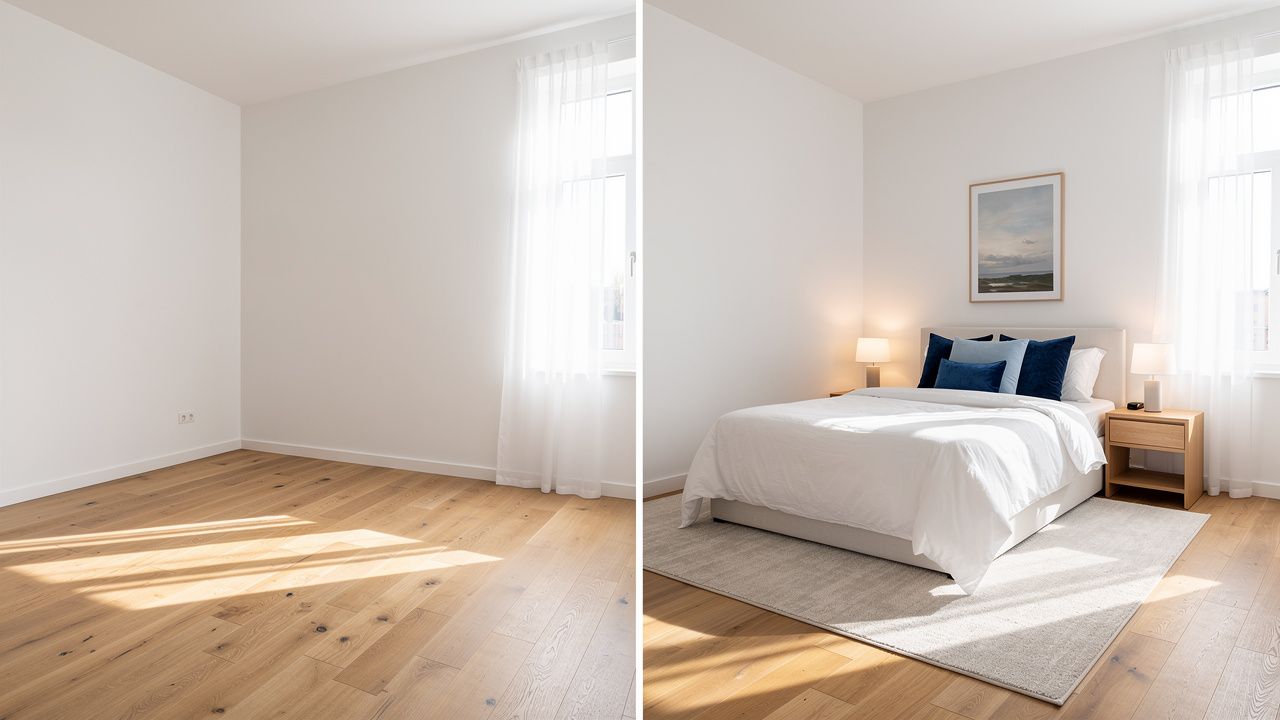
Virtual staging for real estate means we use software to add digital furniture, decor, and lighting to plain property photos. We keep the real walls, windows, and floors, then layer in realistic sofas, beds, art, and rugs. The result is a photo that shows buyers how the room can look when it is fully furnished.
This matters because almost every buyer begins online. According to the National Association of Realtors, nearly all recent homebuyers use the internet during their search and rely heavily on listing photos. In fact, 83 percent of buyers say photos are very important when deciding which homes to tour. If our photos feel cold or confusing, those buyers scroll straight to the next property on Zillow, Redfin, or Realtor.com instead of booking a showing.
Traditional physical staging still helps, yet it brings trucks, storage, and large invoices. A full staging job can cost between $2,000 and $5,000 on average and take days to arrange. In contrast, virtual staging takes a digital photo, applies design styles like Modern or Farmhouse, and returns a new image, often within minutes.
Virtual staging also helps us avoid awkward showings. An empty condo can feel small in person, but a virtually staged photo shot with a wide lens helps buyers understand layout before they visit. Research shared by BoxBrownie notes that staged homes can sell up to 75 percent faster than non-staged ones, which shows how much that first impression matters.
We can now apply the same idea to 360 photos as well. Platforms like TeliportMe let us place furniture into panoramic views, then wrap those into virtual tours that buyers can explore from their phone or laptop. That mix of staging and movement turns flat photos into a realistic online walk-through and makes long-distance shopping far less stressful.
The Business Case: What the Data Says About Virtual Staging ROI

The business case for virtual staging for real estate rests on clear numbers. When we make properties easier to understand and more attractive online, buyers respond with clicks, calls, and offers. Several studies across virtual tours and staging point in the same direction.
Research highlighted by Matterport shows that listings with 3D tours can achieve 4 to 9 percent higher sale prices and cut time on market by up to 31 percent, and studies on whether move-in ready homes are more expensive confirm that presentation quality directly influences perceived value. The same research notes that around 90 percent of buyers are more likely to purchase a property that includes an immersive tour. When we wrap virtual staging inside those tours, we combine emotional impact with spatial clarity.
From the agent side, those numbers turn into new business. According to data shared by Matterport, 99 percent of sellers believe a 3D tour gives them a clear edge and 82 percent would switch to an agent who offers this service. As we build a track record with virtual staging and tours, we are not only serving current clients but also winning future listings.
For lead quality, the lift is just as clear. Internal analyses from TeliportMe and other virtual tour providers show that listings with staged 360 tours can increase inquiries by up to 49 percent compared to plain photo sets, a pattern that aligns with research on how house search traffic shapes buyer decision-making. More importantly, those inquiries tend to be more serious because buyers already walked through the home online and know the layout.
Virtual staging for real estate also supports property managers, vacation rental hosts, and campus housing teams. On platforms like Airbnb and Vrbo, better visuals often mean higher booking rates and stronger nightly pricing. Properties with professional-quality visuals on short-term rental platforms report an average 20 percent increase in booking rates compared to listings with basic smartphone photos. For large portfolios, even a small increase per unit quickly covers the cost of platforms such as TeliportMe, alongside dedicated AI staging services like Virtual Staging AI or Collov AI.
When we add everything together—lower marketing costs, quicker transactions, higher fees, and improved client retention—virtual staging becomes a standard line item rather than a nice extra.
AI Virtual Staging vs. Traditional Virtual Staging: Which Is Right for Your Listings?
AI virtual staging for real estate uses trained models to analyze a room photo and place digital furniture in a few seconds. Traditional virtual staging relies on human editors who use 3D assets and advanced photo tools to reach near photo-realistic results. Both paths can work well when we match them to the right type of listing.
AI-assisted platforms like TeliportMe, along with dedicated services such as Virtual Staging AI and Collov AI, are built for speed and scale, leveraging advances in generative AI for spatial imaging to produce high-fidelity results from a single photo. We upload a photo, choose a style such as Scandinavian or Industrial, and the system generates staged options almost instantly. Subscription plans can start around sixteen dollars per month, and some tools charge only cents per image, which is friendly for teams handling dozens of units. By comparison, the global virtual staging market was valued at approximately $182 million in 2023 and is projected to grow at a compound annual growth rate of over 14 percent through 2030, reflecting how rapidly agents are adopting these tools.
Traditional virtual staging from companies like BoxBrownie uses skilled editors who shape every shadow and reflection by hand. Turnaround usually sits in the twenty-four to forty-eight hour range. Prices often range from twenty-four to fifty dollars per image, which fits premium listings where sellers expect flawless marketing.
Modern AI tools now support natural language edits that feel like a chat. On some platforms we can type a message such as "make the sofa light gray and add a round coffee table" and receive a revised version in seconds. That saves time compared with long email threads and marked-up PDFs.
Human-edited work still has a role where every detail matters, such as luxury homes or high-profile commercial spaces, and research on virtual home staging and relighting from a single panorama shows how far lighting-aware AI techniques have advanced to support that level of realism. Editors can match custom furniture lines, adjust fine texture on materials, and align with strict brand guidelines from developers or hotel groups. For many mid-range listings, though, newer AI systems are now good enough that buyers often cannot tell the difference.
Comparison at a Glance: AI vs. Traditional vs. Physical Staging
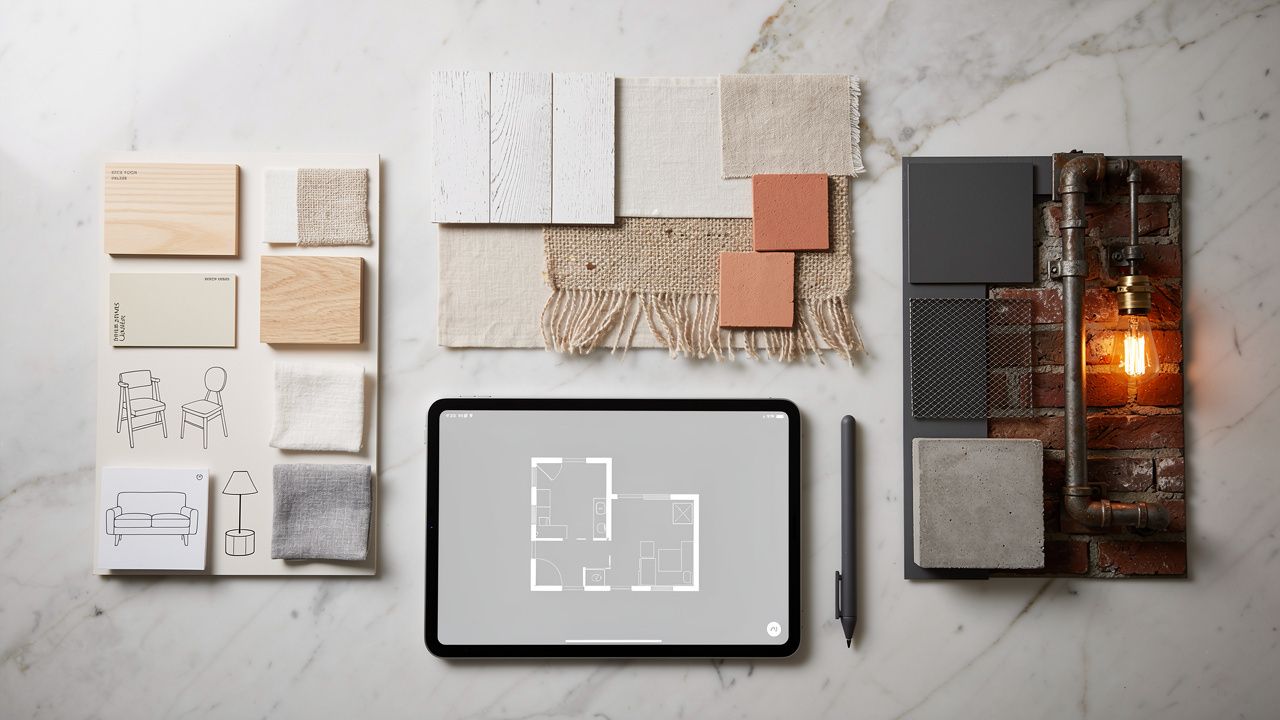
This quick reference table sums up how the three main options compare. We can use it when we choose a plan for each new property.
Factor | Physical Staging | Traditional Virtual Staging | AI Virtual Staging |
|---|---|---|---|
Cost | Often several thousand dollars per property | About 24 to 50 dollars per image | From cents per image or low monthly plans |
Turnaround Time | Several days or even weeks | Around 24 to 48 hours | Seconds to a few minutes |
Customization | High yet tied to trucks and warehouse stock | High with detailed human control | High with fast regenerations and text prompts |
Scalability | Hard for large portfolios | Fair for moderate volumes | Very strong even for hundreds of units |
Revisions | Expensive and slow | Often included within limits | Usually unlimited while subscription is active |
How TeliportMe Takes Virtual Staging Beyond Static Images
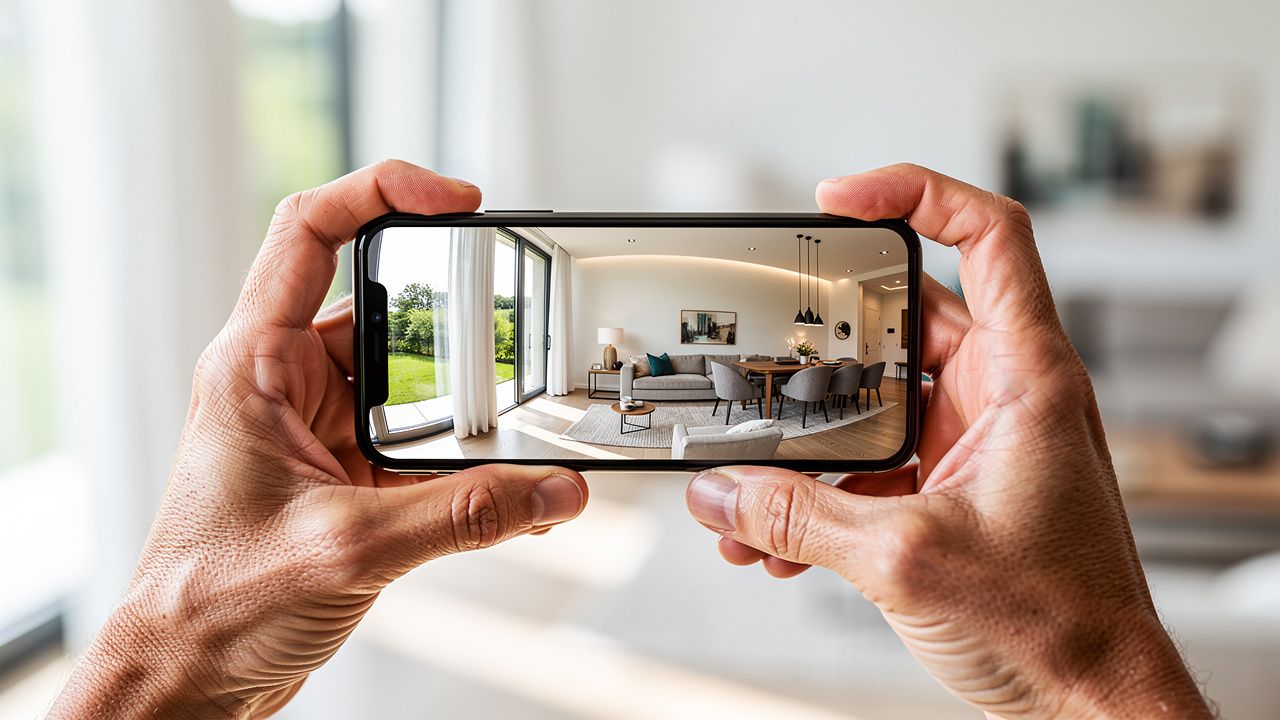
TeliportMe takes virtual staging for real estate and connects it directly to immersive 360-degree tours, 3D-style views, and analytics. Instead of juggling one tool for staging, another for tours, and a third for hosting, we use a single browser-based platform. That keeps our daily workflow simple while giving buyers a full sense of the property.
The heart of TeliportMe is its virtual tour builder. We capture 360 photos with phones, DSLRs, or drones, then upload them into a fast editor that runs in the browser. Mobile capture apps for Android and iOS handle high-quality 360 photos without any extra 360 camera hardware, which is a strong plus for busy agents and photographers. Agents who use integrated tour-and-staging platforms report saving an average of 3 to 5 hours per listing compared to managing separate tools for photography, staging, and tour hosting.
Once the panoramas are ready, we can apply virtual staging inside those scenes. A bare living room becomes a furnished space with sofas, art, and decor placed correctly in 3D, a capability made possible by advances like stable diffusion for furniture placement that preserve room layout while inserting photorealistic objects. We then add interactive markers, floor plan views, and dollhouse-style overviews so visitors can see both layout and detail in a single tour.
TeliportMe supports very high-resolution imagery, so even large screens and modern headsets show sharp detail. Features like Smart Publish and Smart Embed help us share tours to our own site, MLS entries, Google Street View, and social channels using one link or simple code. Built-in analytics show which rooms buyers spend time in, how many views each tour gets, and where traffic comes from.
White-label branding and custom domains help brokerages, property managers, and marketing agencies keep their own names front and center. For technology teams, TeliportMe also offers ways to integrate through modern APIs, so virtual tours and staging can plug into existing listing platforms. Compared with stand-alone staging apps that only output flat photos, this deeper stack gives us a full digital showing experience.
Ethical Guidelines: How to Use Virtual Staging Responsibly
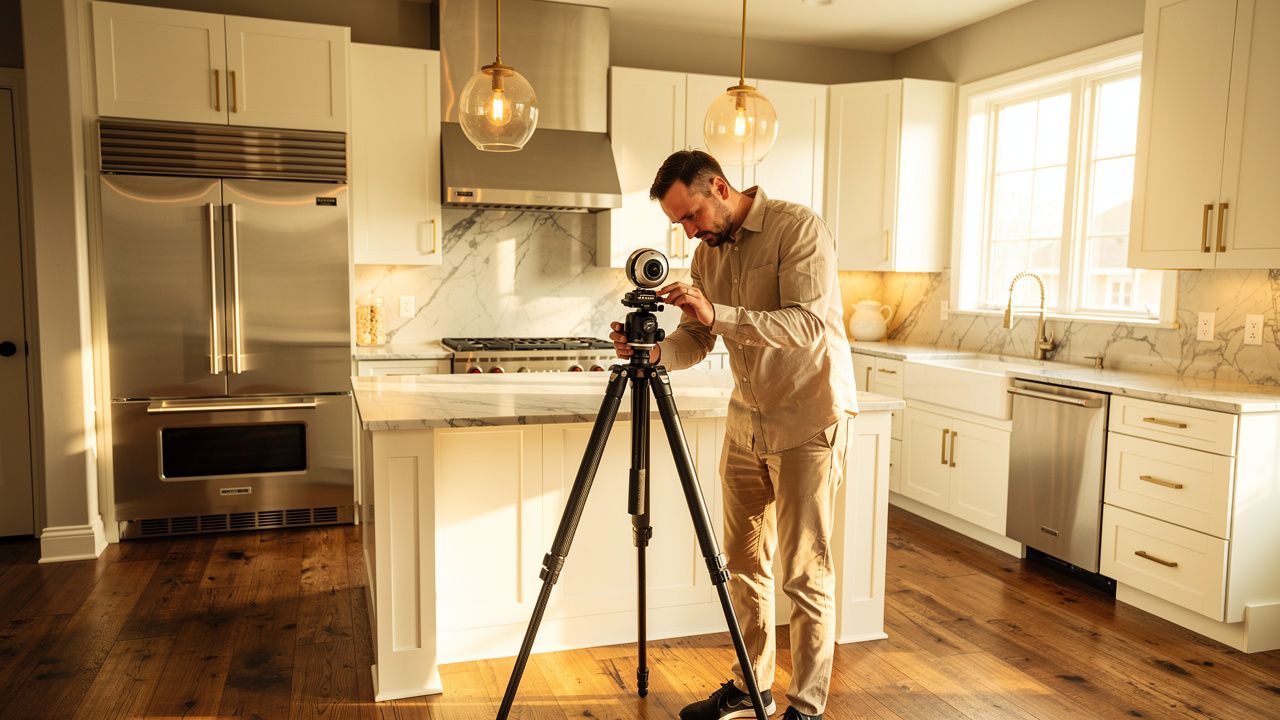
Ethical guidelines around virtual staging for real estate keep us honest with buyers, sellers, and other agents. NAR Article 12 tells us to present a true picture in all marketing, which includes every edited image we upload. When we change photos digitally, we must be clear about what is real and what is virtual. A 2023 survey found that 71 percent of buyers feel more confident about a listing when agents clearly label virtually staged images, reinforcing that transparency builds rather than undermines trust.
As the National Association of Realtors explains in Article 12, Realtors must "present a true picture in their advertising, marketing, and other representations."
The most important practice is labeling. Every staged image on the MLS, on Zillow, on Redfin, or on our own site should include a clear note such as "Virtually Staged." Many agents place this text in a small yet readable corner of the photo or in the caption area.
We also avoid hiding problems. Virtual staging must not cover water stains, cracks, mold, or any material defect that a buyer should see. If a room has visible damage, we either show it as is or fix it in real life before new photos.
- We keep the room shape honest so length, width, ceiling height, and window sizes stay true. That means we do not stretch walls or move doors even if software makes it simple, since those edits could mislead a buyer.
- We tell clients up front how we plan to use virtual staging and why we label it clearly. This builds trust with sellers and helps them answer questions from friends, neighbors, and future buyers who see those images online.
- We double-check MLS rules in our region and align our process with those standards. Some boards have extra rules around before-and-after photos, so we stay updated through broker meetings and local Realtor associations.
Responsible use protects our license and reputation while still giving buyers helpful context. In many cases, clear virtual staging reduces confusion during showings because visitors already know the general layout and scale before they walk through the door.
Wrapping Up: Make Every Listing Your Best Listing
Virtual staging for real estate helps us turn every listing into a clear, attractive story that buyers can understand from their phones. When we pair staged photos and 360 tours, we shorten the path from first click to in-person visit and then to signed contract. The data from groups like the National Association of Realtors and Matterport shows that buyers respond strongly to this richer media. Listings that combine professional virtual staging with interactive tours spend on average 50 percent fewer days on the market compared to listings that use only standard photography.
Conclusion
With TeliportMe, we bring virtual staging, 360 capture, 3D dollhouse-style views, floor plans, and analytics into a single, easy system. That one step lets us serve residential sellers, property managers, hotel teams, and campus leaders with the same set of tools. When we stay honest, follow disclosure rules, and pick the right mix of AI and human editing, every new listing can look and perform like our best work.
Frequently Asked Questions
These frequently asked questions about virtual staging for real estate give quick answers we can share with clients and teammates. Each reply stands on its own so readers do not need the full article to understand the point.
Question: How much does virtual staging cost compared to physical staging?
The cost of virtual staging is far lower than physical staging for most properties. Physical staging often runs into several thousand dollars per listing, with the national average sitting between $2,000 and $3,500 for a standard three-bedroom home. Traditional virtual staging sits around twenty-four to fifty dollars per image, while AI tools and platforms such as TeliportMe use low monthly plans or per-image fees that can drop below one dollar per photo at scale.
Question: Is virtual staging allowed on MLS listings?
Yes, virtual staging is allowed on MLS listings when we follow disclosure rules. NAR Article 12 expects a true picture, so every edited image should include a clear "Virtually Staged" label. We also avoid changing room shapes or hiding damage to stay compliant with MLS policies.
Question: Can virtual staging be used for occupied homes, not just vacant properties?
Yes, virtual staging works very well for occupied homes too. Editors or AI tools can remove cluttered or dated furniture from photos and replace those items with neutral modern pieces. That way the seller does not need to move out, yet buyers still see a clean, fresh look online.
Question: How does TeliportMe differ from standalone virtual staging tools?
TeliportMe goes beyond single staged photos by giving us full 360 tours, 3D dollhouse-style views, interactive floor plans, and analytics in one place. We stage scenes inside panoramic photos, publish them with Smart Publish, and track viewer behavior. This means fewer logins, less manual work, and a smoother digital experience for buyers.
Question: What types of properties benefit most from virtual staging?
Many property types gain from virtual staging, not only standard home sales. Vacant residential listings, new construction, vacation rentals, student housing, hotels, and commercial offices all show better when staged. Any property where physical staging feels too slow, expensive, or complex is a strong candidate for this approach.